Safety by architecture
Safety engineered through independent, verifiable layers with authority over the AI, designed to ensure critical decisions remain aligned with safety priorities.

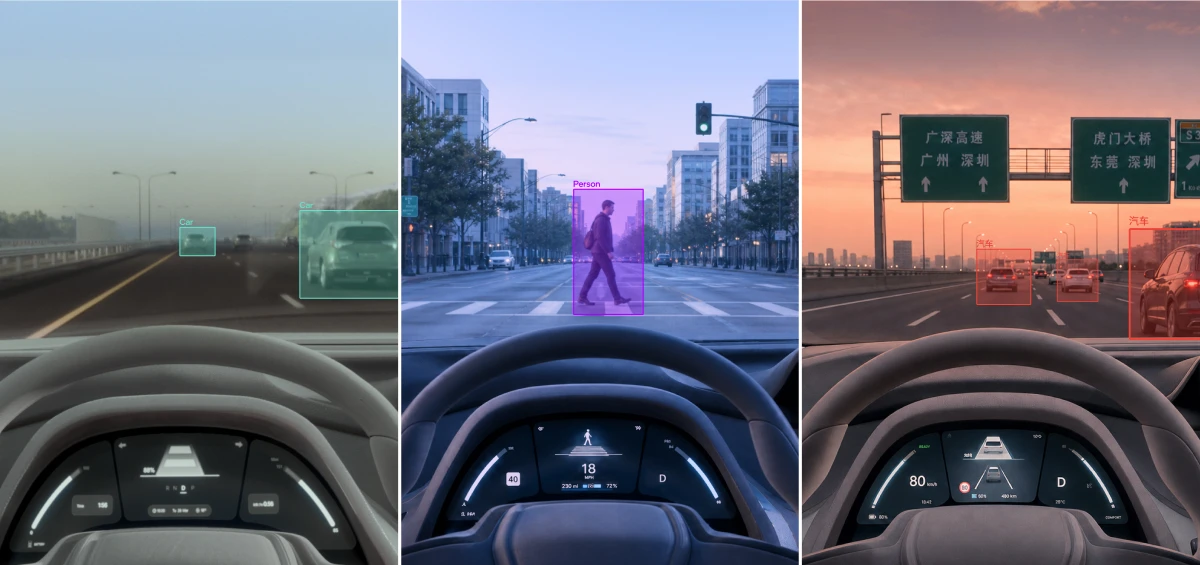
Physical AI is tested within real-world complexities. It requires intelligence that can understand dynamic surroundings, reason through uncertainty, and act in real time across a vast range of scenarios.
Mobileye’s approach to physical AI is built upon four principles designed to enable both autonomous vehicles and humanoids to perform within the physical world that is too complex to script and too dynamic to predict.

Safety by architecture
Safety engineered through independent, verifiable layers with authority over the AI, designed to ensure critical decisions remain aligned with safety priorities.

Edge-case led learning
Learning built on the long tail of unexpected scenarios, designed to enable systems to perform where physical AI is challenged most.

Purpose-built stack
AI, sensing, compute, and the machine designed as a unified vertically integrated system, to support optimization of the performance of each component and the system as a whole.

Scale-first engineering
Cost, performance, and manufacturability optimized from the prototype stage, accelerating the path from innovation to mass-market deployment.
AI must be pragmatic
Physical AI depends on more than a single model. Mobileye’s approach combines advanced learning, purpose-built components, and system-level logic across perception, planning, decision-making, and control. Each layer is designed to perform its role efficiently within one integrated system, while optimizing performance of the whole.
AI must be lean
Autonomous machines must operate within real-world constraints, including compute, power, cost, latency, reliability, and manufacturability. Mobileye’s approach is designed around efficient architectures that balance AI capability with the practical requirements of deployment.
EyeQ™ System-on-Chip
AI must be adaptable
The physical world is too varied to script in advance. Mobileye develops AI systems designed to address diverse scenarios, environments, and use cases while staying grounded in structured engineering and validation. This approach supports scalable autonomy on the road and informs Mobileye’s expansion into humanoids.
Products overview
AI must be safe
Mobileye systems are built with robust safeguards, including multiple formal safety models. Redundancies are also employed in key technologies across our hardware, software, and AI processes to support safe decision-making. Our focus is on building systems that are not only intelligent but also grounded in rigorous validation and designed for real-world deployment.
AI must be pragmatic
Physical AI depends on more than a single model. Mobileye’s approach combines advanced learning, purpose-built components, and system-level logic across perception, planning, decision-making, and control. Each layer is designed to perform its role efficiently within one integrated system, while optimizing performance of the whole.
AI must be lean
Autonomous machines must operate within real-world constraints, including compute, power, cost, latency, reliability, and manufacturability. Mobileye’s approach is designed around efficient architectures that balance AI capability with the practical requirements of deployment.
EyeQ™ System-on-Chip
AI must be adaptable
The physical world is too varied to script in advance. Mobileye develops AI systems designed to address diverse scenarios, environments, and use cases while staying grounded in structured engineering and validation. This approach supports scalable autonomy on the road and informs Mobileye’s expansion into humanoids.
Products overview
AI must be safe
Mobileye systems are built with robust safeguards, including multiple formal safety models. Redundancies are also employed in key technologies across our hardware, software, and AI processes to support safe decision-making. Our focus is on building systems that are not only intelligent but also grounded in rigorous validation and designed for real-world deployment.
The humanoid built for the complexities of the physical world
Mentee is designed to perform where AI meets reality. Built with few-shot learning, large-scale simulation and vertically integrated robotics, Mentee is designed to learn new tasks in hours not weeks, to perform at a high success rate in the real world, and to continuously improve through simulation to be able to work safely alongside people in homes and workplaces.
Explore Mentee

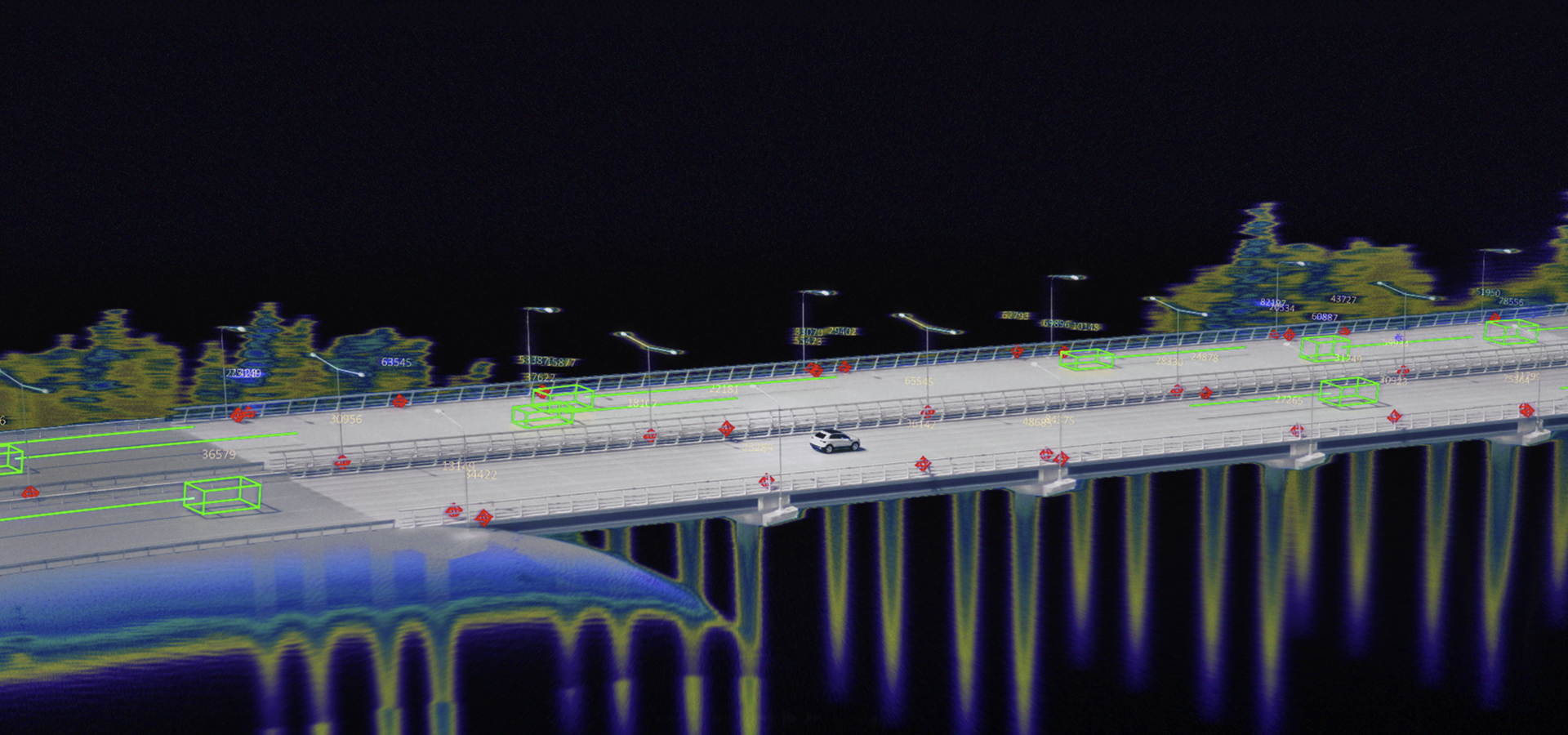

Mobileye’s physical AI foundation reflects decades of experience in real-world driving intelligence, applying the same engineering principles that shaped its automotive AI leadership to humanoid robotics within dynamic and complex physical environments.
Mobileye’s physical AI foundation reflects decades of experience in real-world driving intelligence, applying the same engineering principles that shaped its automotive AI leadership to humanoid robotics within dynamic and complex physical environments.
From our blog
See all

blog
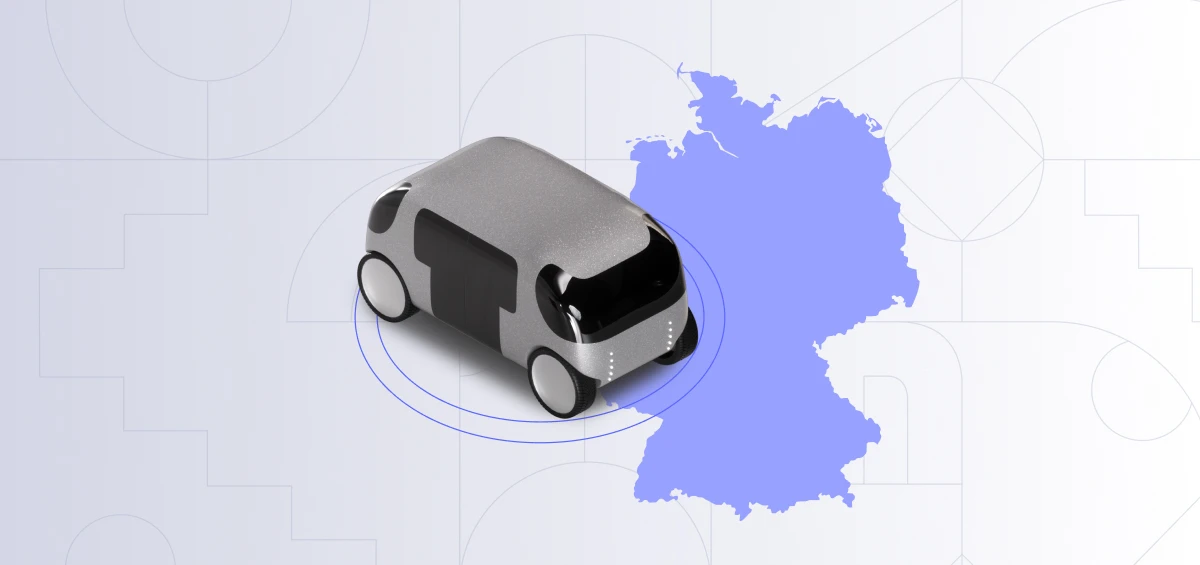
Mobileye Drive™ advances autonomous mobility in Germany
September 10, 2026
blog
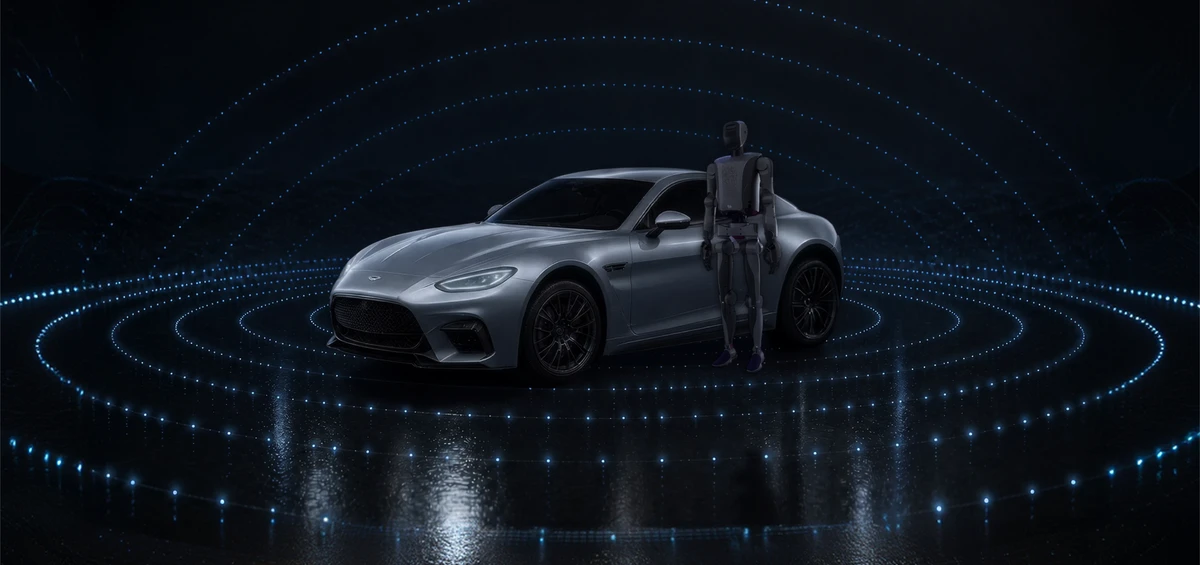
Physical AI at Mobileye: From autonomous vehicles to humanoid robots
September 07, 2026
blog
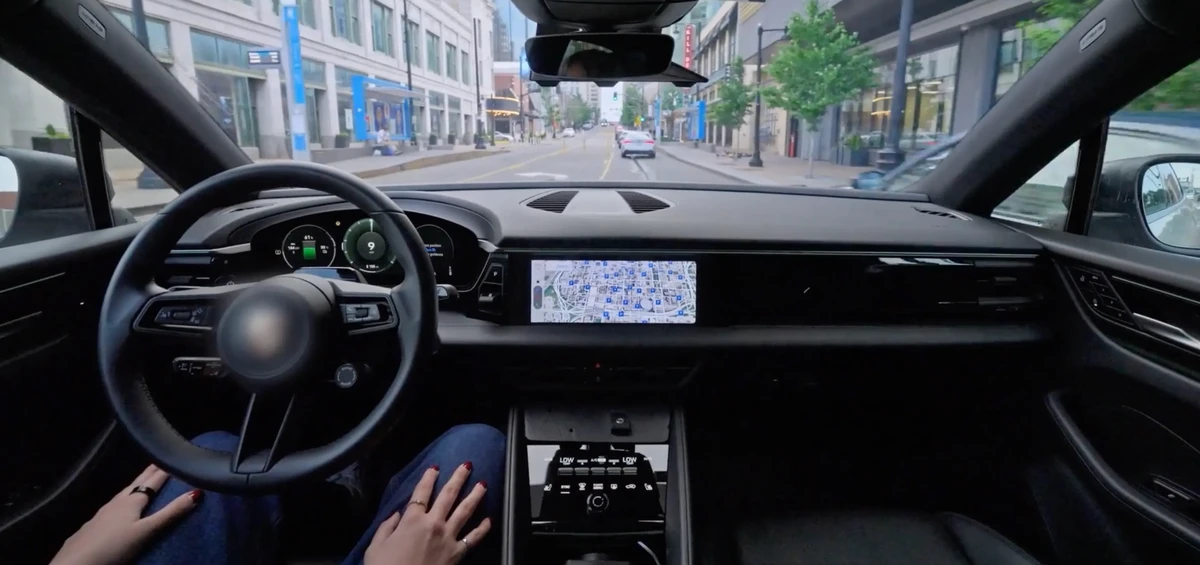
Hands-off driving goes mainstream: enabling L2+ at scale
August 11, 2026
blog
ADAS Regulations overview: What every automaker needs to know
July 14, 2026
blog
Mobileye Drive™ advances autonomous mobility in Germany
September 10, 2026
blog
Physical AI at Mobileye: From autonomous vehicles to humanoid robots
September 07, 2026
blog
Hands-off driving goes mainstream: enabling L2+ at scale
August 11, 2026
blog
ADAS Regulations overview: What every automaker needs to know
July 14, 2026


