Few-shot learning
During training, the robot is shown how a task is performed. Mentee learns through mentorship, learning new capabilities in hours, not weeks.

Mentee is designed to operate where AI meets reality. Built with few-shot learning, large-scale simulation, and vertically integrated robotics, Mentee is designed to learn new tasks, adapt to changing environments, and work safely alongside people in homes and workplaces.
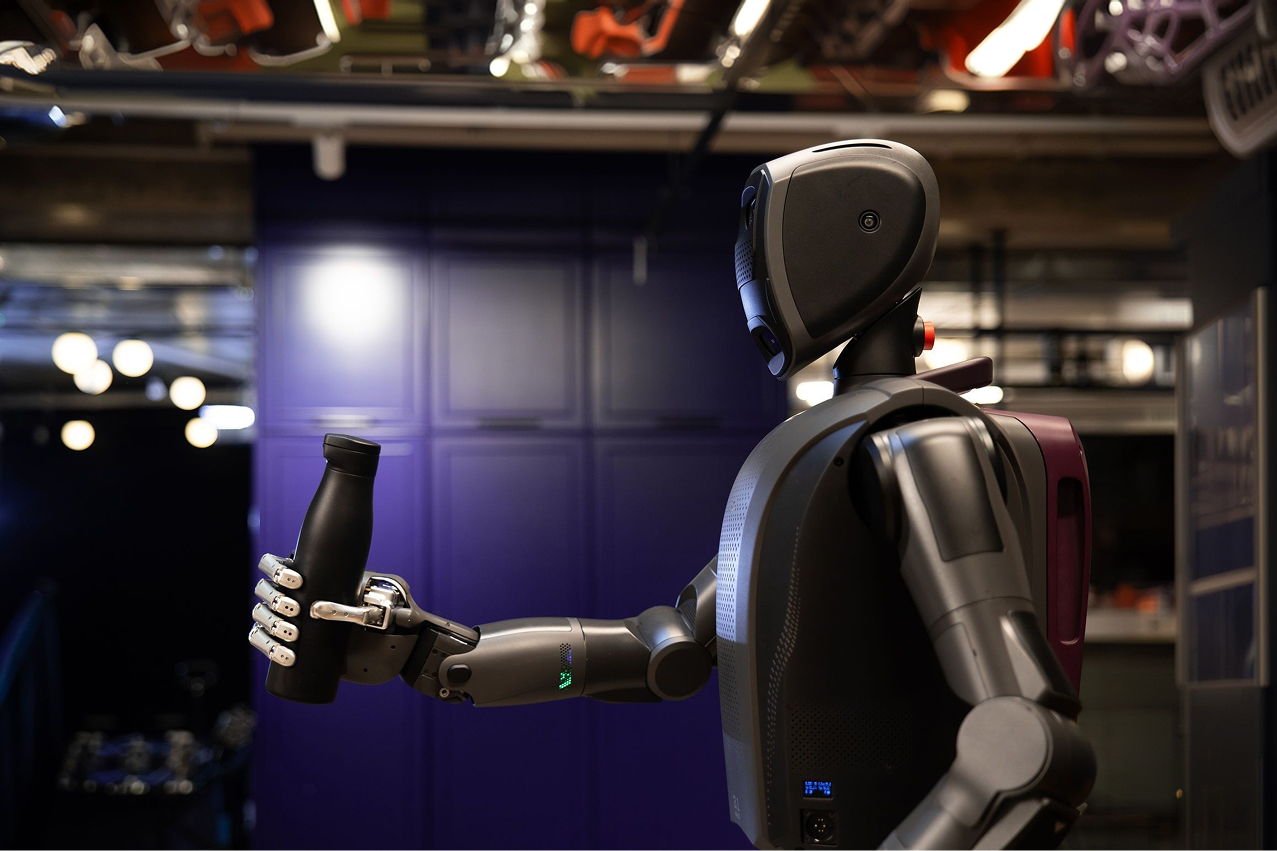
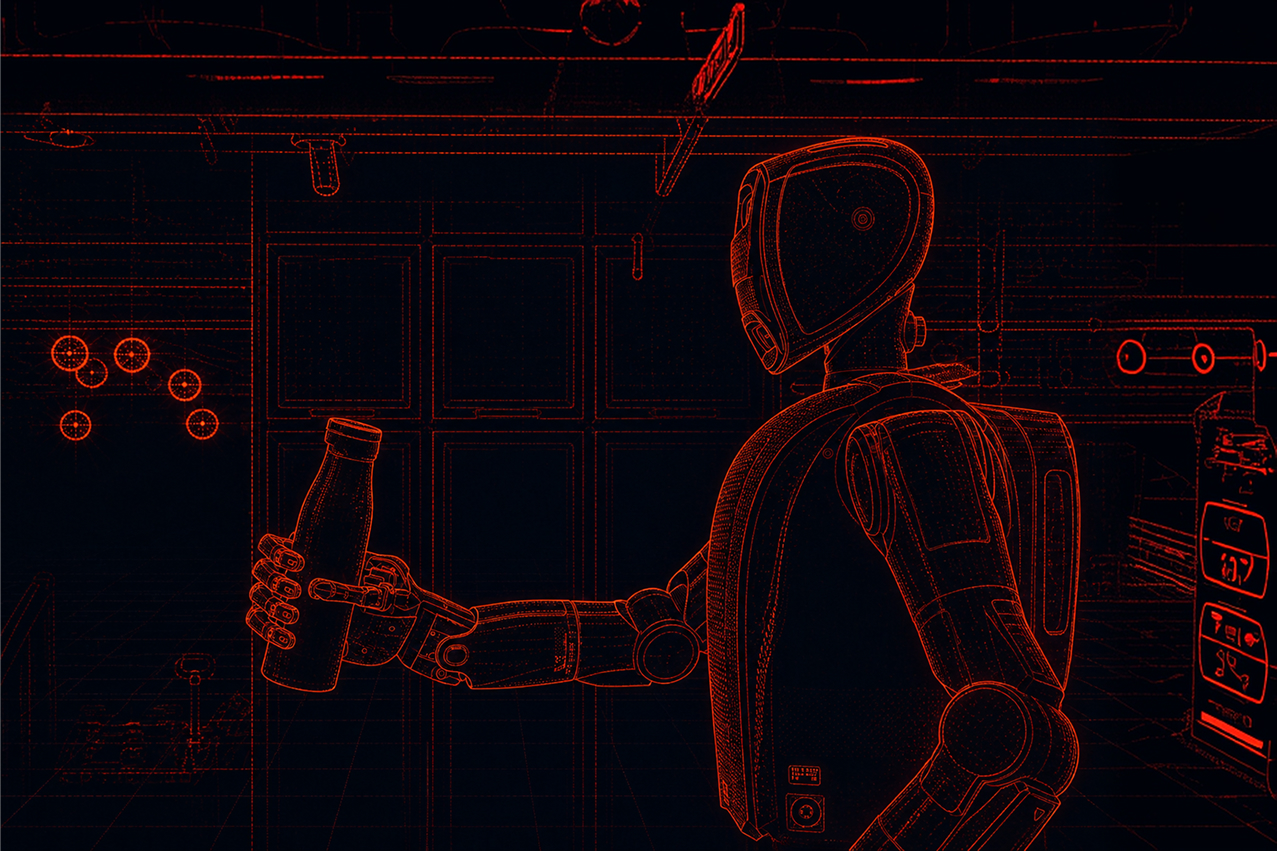
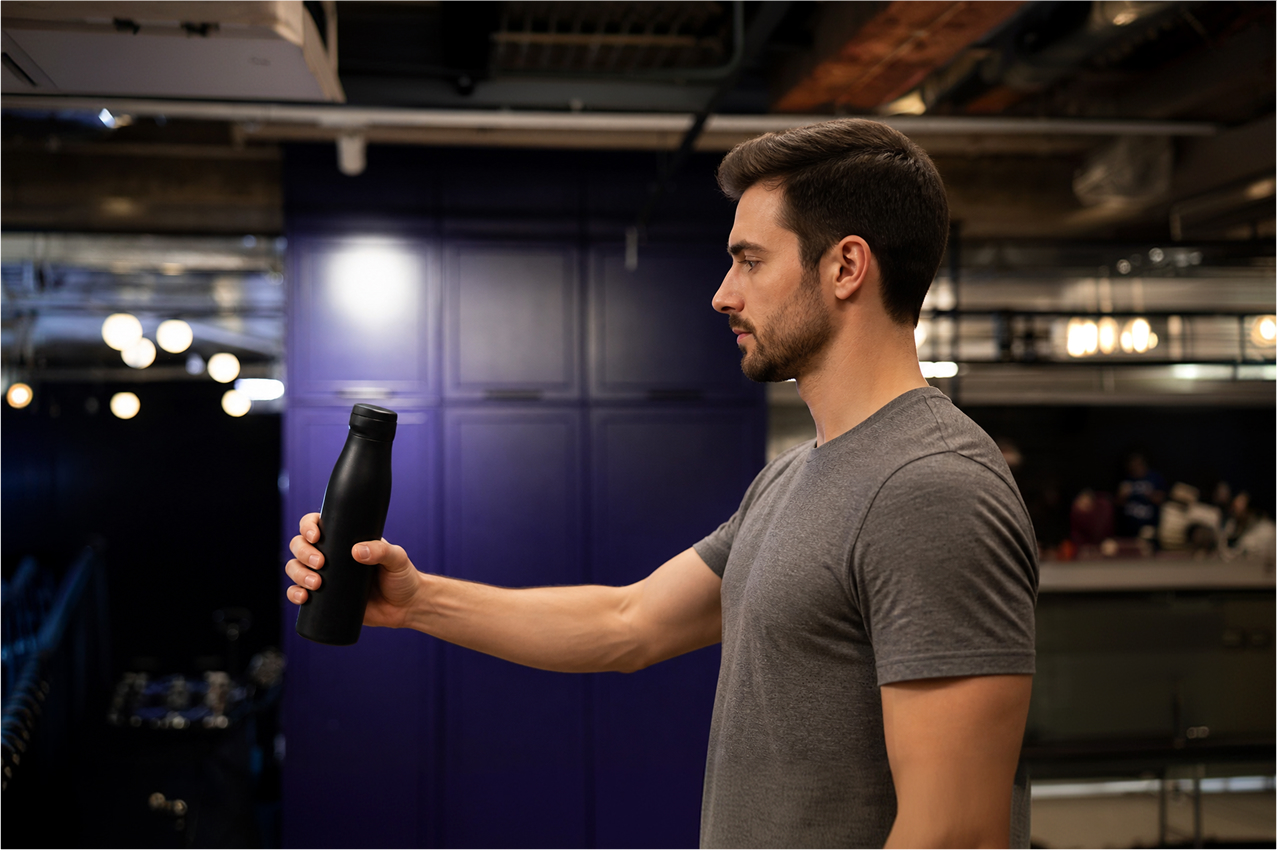
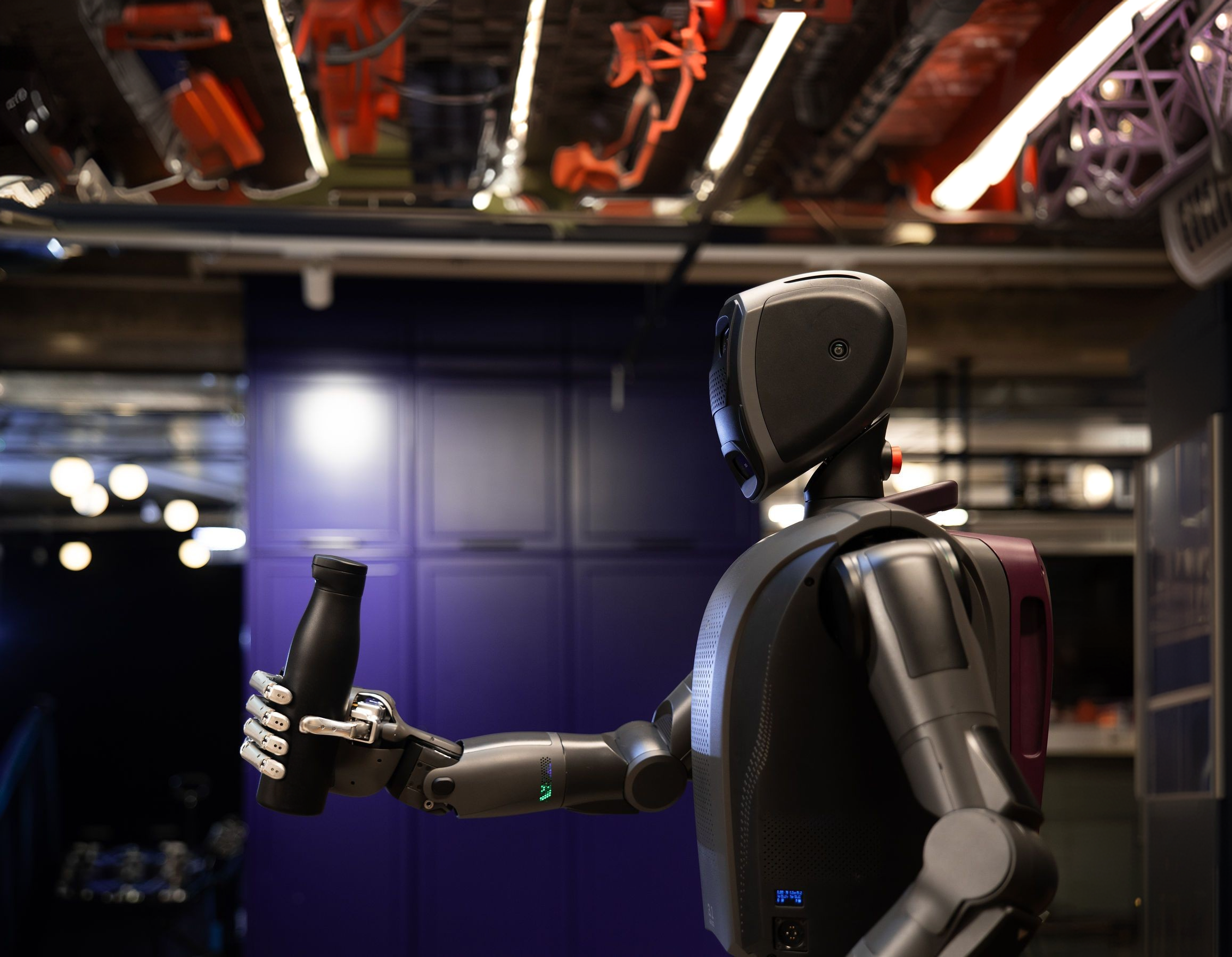
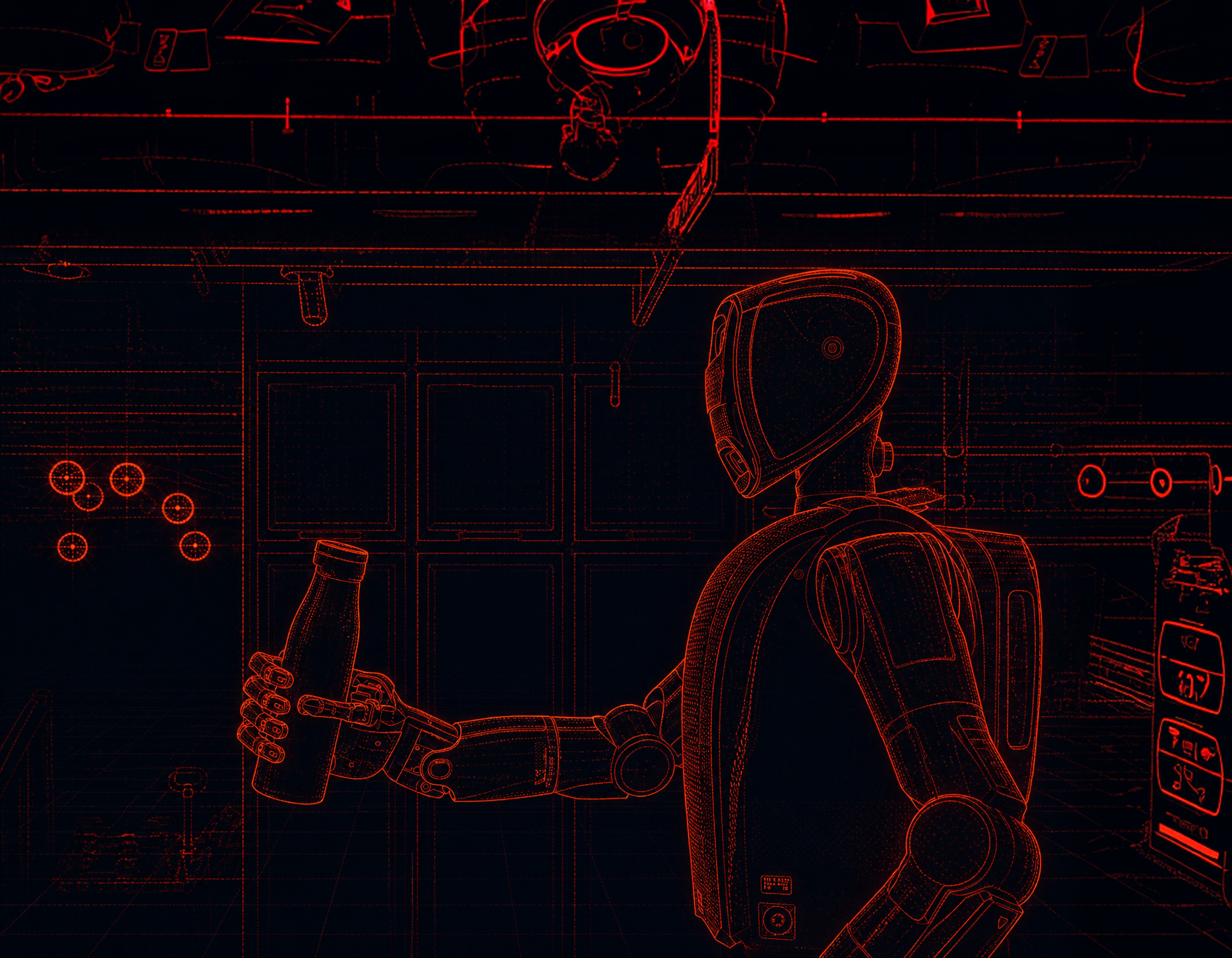
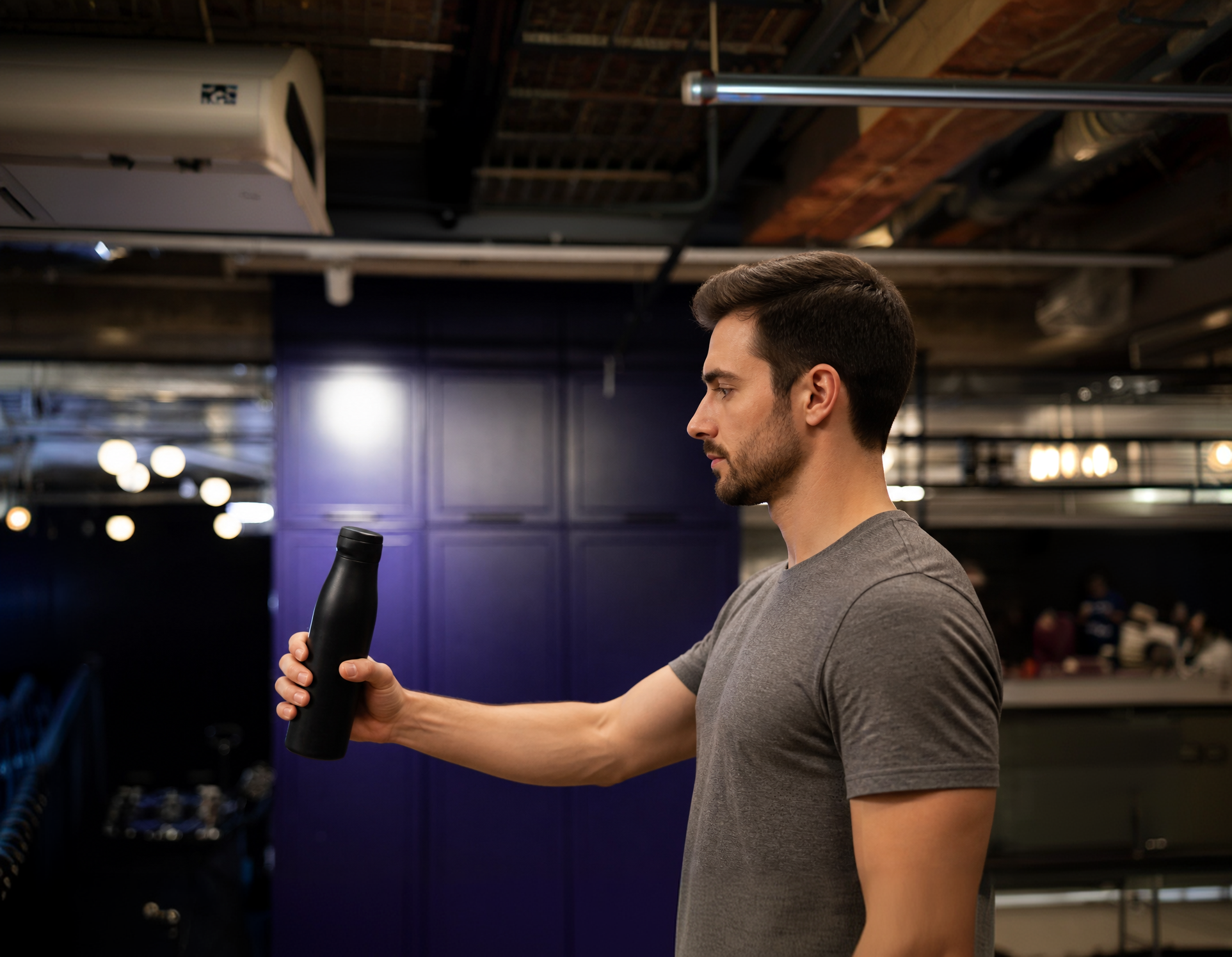
The challenge isn’t getting a robot to perform a task. The challenge is creating a robot that can adapt to new environments, learn new tasks quickly, and operate safely alongside people. That’s why Mentee was designed around a simple philosophy: people should be able to mentor robots the way they mentor people.
The Mentee approach
In the physical world, the hardest problems live in the long tail. For humanoids operating in the real world, new objects, environments, and unexpected edge case situations are an everyday reality. Most robotics systems require extensive data collection, teleoperation, or engineering effort to learn new tasks.
Mentee is designed with real world complexities at its core to learn from a few demonstrations, perform at a high success rate in the real world, and continuously improve through simulation.
Few-shot learning
During training, the robot is shown how a task is performed. Mentee learns through mentorship, learning new capabilities in hours, not weeks.
The Mentee approach
In the physical world, the hardest problems live in the long tail. For humanoids operating in the real world, new objects, environments, and unexpected edge case situations are an everyday reality. Most robotics systems require extensive data collection, teleoperation, or engineering effort to learn new tasks.
Mentee is designed with real world complexities at its core to learn from a few demonstrations, perform at a high success rate in the real world, and continuously improve through simulation.
Few-shot learning
During training, the robot is shown how a task is performed. Mentee learns through mentorship, learning new capabilities in hours, not weeks.
Mentee is designed to perform useful tasks from day one

Autonomous navigation

Object recognition and manipulation

Multi-step workflows

Collaborative & continuous operation

Task planning and execution

Learn household preferences

Follow natural language instructions

Retrieve and deliver objects

Adapt to changing environments

Improve through user feedback
Core AI capabilities
Autonomous navigation
Object recognition and manipulation
Multi-step workflows
Collaborative & continuous operation
Task planning and execution
Personalized home capabilities
Learn household preferences
Follow natural language instructions
Retrieve and deliver objects
Adapt to changing environments
Improve through user feedback
Vertical integration by design
Mentee develops its AI, software, electronics, actuators, control systems, and robotic hands in-house. This approach provides tighter integration between hardware and intelligence while helping minimize the gap between simulation and reality.
Precision actuation
Custom actuators and proprietary control systems are designed for performance, reliability, and maintainability.
Purpose-built hands
Mentee’s fully backdrivable hands provide native haptic feedback and are designed for robust, human-compatible manipulation across a wide range of tasks.


