
blog
|
October 29, 2025
Hands-off/eyes-off autonomy and what it means for automakers
What is level 3 driving and what is required to make it happen? Discover why Level 3 autonomous driving is becoming the strategic focus for automakers



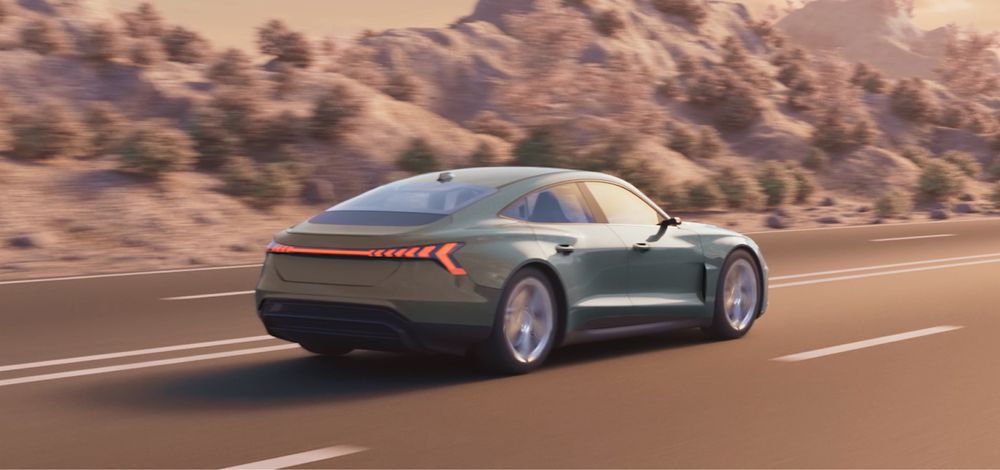
AI generated image
What is Level three autonomy?
Level three, or hands-off/eyes-off autonomous driving is where the big leap into autonomy takes place. Defined by the SAE (Society of Automotive Engineers), as “conditional driving automation” hands-off/eyes-off autonomous driving allows a vehicle to drive itself under specific conditions without human input, while still requiring the driver to be ready to take back control when necessary. It offers a genuine autonomous experience, but only within well-mapped, controlled environments such as highways or during low-speed traffic jams.
This level is often seen as the most sought-after step in the consumer AV space, offering hands-off, eyes-off capabilities and premium in-cabin experiences, without the full complexity and cost of a Level four system that is fully autonomous, and requires no human input.
What makes this level so meaningful?
Hands-off/eyes-off autonomy is the point where the driving experience makes a real shift. While the driver is still required to be available for a takeover, should the need arise, the experience is no longer defined solely by continuous control. It opens space for small breaks, or "mind-off" moments, such as checking on kids in the back seat or a moment’s decompression on a long commute, giving time back to drivers. It is the beginning of a new psychological relationship to driving.
The gap between levels two and four may be just one, but the difference is striking. Level two, a standard form of low-level autonomy, requires constant driver supervision. Level four, on the other hand, operates entirely on their own within defined boundaries, removing control, responsibility, and most importantly, intervention from the driver.
What is needed for level three autonomy?
Bringing level three autonomy to mass-market adoption involves multiple considerations, yet two stand out as fundamental:
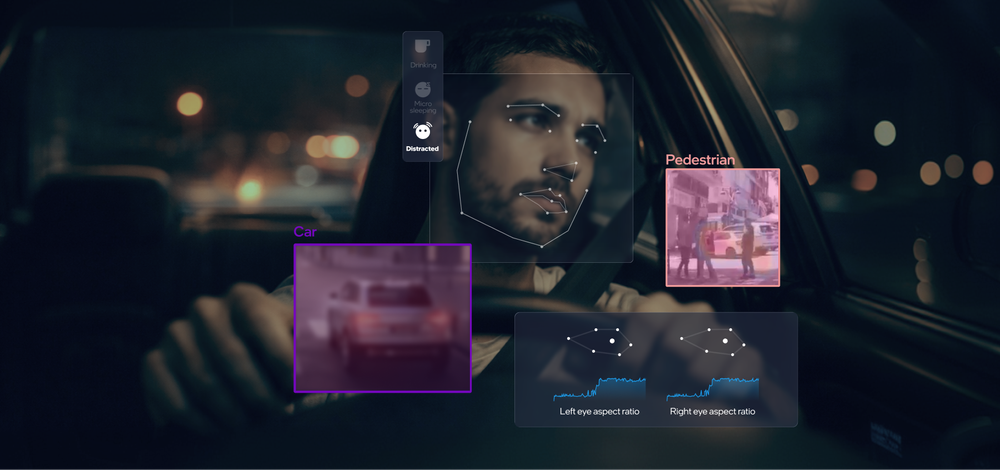
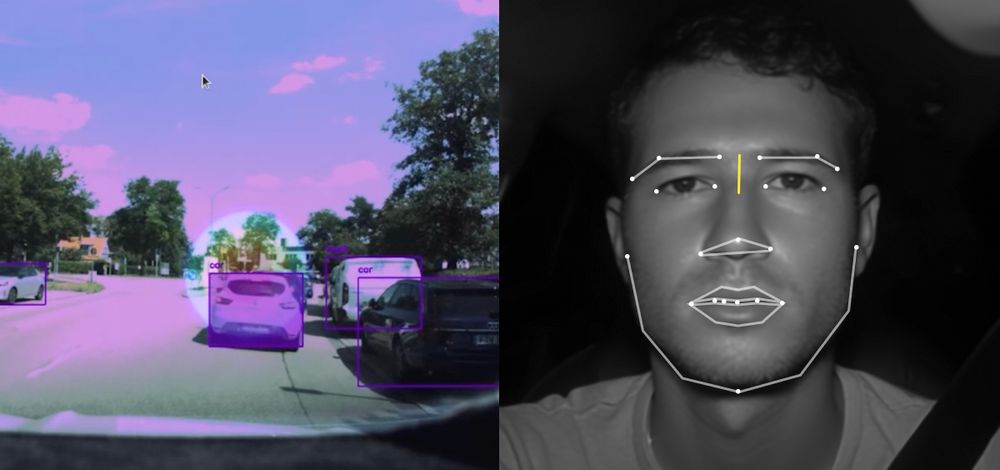
Firstly, robust technology. The type that can facilitate the delicate handover between driver and AI. A successful Level three autonomous driving system needs a suite of capabilities to ensure reliable handover and symbiotic experience. A huge part of that comes down to a chip’s processing capabilities, and the speed and efficiency with which the full stack of driving functions is handled, including ADAS, DMS, sensor capabilities, mapping, parking, OTA updates, and more. Apart from the need to have trusted technology for driving autonomously, there’s the second piece of the puzzle.
The second piece, more external to car production, is the regulatory framework. Achieving successful level three autonomy depends on a setup shaped collectively by regulators, public policy experts, automakers, insurers, and informed by real-world data that make up the environment in which hands-off, eyes-off autonomy can thrive. This framework should consider not only the formal rules of the road but also the changing nature of driver behavior in response to autonomous technologies. Today, the frameworks around liability, regulation, and insurance are being aligned for mass adoption with the aim of gaining public acceptance.
The hope is that, as more data is collected, clearer frameworks for various precedents will emerge, whether in the form of a mixed responsibility model or insurance products that fairly account for all stakeholders involved.

"Bringing Level three autonomy to mass-market adoption involves multiple considerations"
Why would automakers invest in producing level three systems?
A design that enables scalability across driver-assist capabilities gives automakers a direct path along the autonomy spectrum. With the right foundation, a single system can deliver a range of features determined on the number of SoCs integrated.
Level one and Level two driver-assistance features such as ACC (adaptive cruise control) and AEB (automatic emergency braking) are already standard in most new vehicles. In a market where consumers expect both safety and convenience—and automakers look for meaningful differentiation, the natural next step is Level 3. This enables OEMs to offer eyes-off driving in defined conditions, scale flexibly between L1, L2, and L3, and pave the way toward higher levels of automation. With advanced technologies becoming production-ready and regulatory frameworks taking shape, it’s no surprise that more OEMs are preparing to bring Level 3 systems to market, fueling the surge of interest in conditional autonomy.
What is the Level 3 solution that automakers need?
Mobileye's L3 solution, Mobileye Chauffeur™, enables eyes-off operation of standard driving functions on all regular road types at speeds of up to 80 mph (130 km/h).
This comprehensive technology stack* combines a sensor suite of 11 cameras, surround radars, a front lidar, three EyeQ™6H Systems-on-Chip (SoCs), and a continuously updated crowdsourced map powered by REM™ data. There are OEMs that begin by deploying a core driver assist system through a dedicated ADAS or technology provider that possess the know-how in implementing these systems and enabling customizable levels of autonomy and upgrade that system over time to reach higher levels of autonomy. This is where scalable architecture in today’s automotive industry really comes into play.
The path forward
Eyes-off/hands-off autonomy represents more than just a technological milestone. It is a strategic inflection point for the automotive industry. It creates room for innovation without overextending into the complexity of full autonomy, giving automakers a viable path to deliver premium, differentiated experiences today while building the foundation for tomorrow. With solutions like Mobileye Chauffeur™, the journey toward hands-off and eyes-off driving becomes not only possible but scalable, adaptable, and ready to evolve with regulations, technology, and consumer expectations.
Learn more about the Mobileye Chauffeur™ technology here
*Availability and performance is subject to a number of factors, including product’s and vehicle’s specifications, manual, ODD, and law. When needed, driver to be engaged and ready for takeover.
Share article
Related News
Press Contacts
Contact our PR team


