Products

True RedundancyTM
The Realistic Path to Deploying AVs at Scale
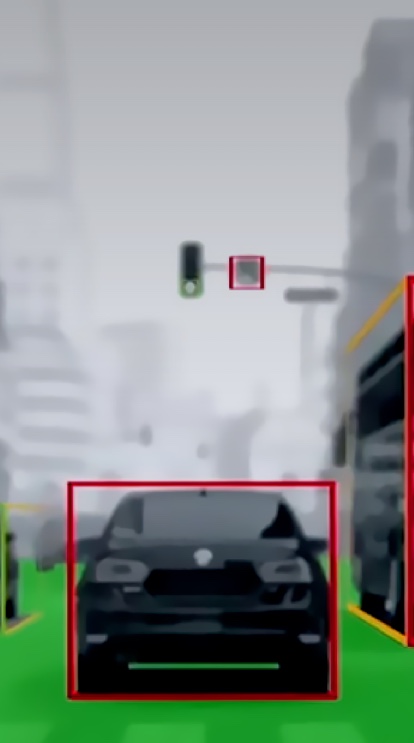
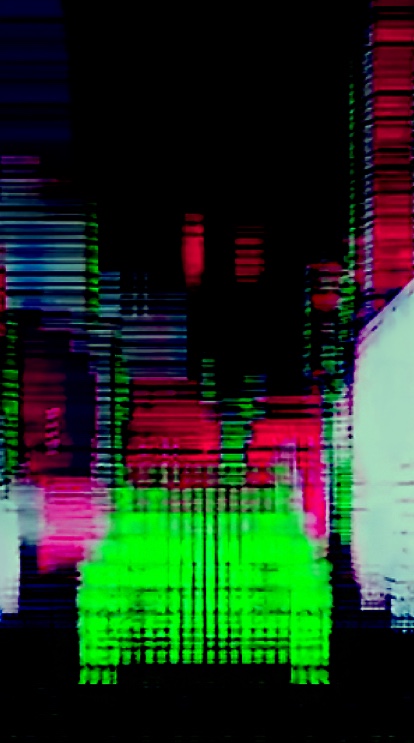
Radar/LidarCamera
Mobileye has built two development AVs:

An AV that can drive on cameras alone

An AV that can drive on radar/lidar alone
When combined into a production-ready AV, the camera subsystem is the backbone of the AV, while the radar-lidar subsystem is added to provide enhanced safety and a significantly higher mean time between failures (MTBF).
True Redundancy
What's Behind the Name?
Sensor redundancy is meant to ensure that sensors serve as back-ups for one another. But we often see complementary, not redundant, sensors – where cameras and radar or lidar each sense certain elements of the environment, which are then combined to build a single world model.
At Mobileye, we task both channels – camera and radar-lidar – with sensing all elements of the environment and each building a full model.
This is True Redundancy.
Radar & Lidar Development to Achieve True Redundancy
Mobileye has revolutionized computer vision algorithms for autonomous driving. Now, we are also revolutionizing radar and lidar developed specifically for self-driving applications.
Learn moreHow is this AV R&D impacting ADAS today?
Because we have created a camera-only subsystem that can drive on its own, this technology can be deployed directly to our broad range of advanced driver assistance systems today.
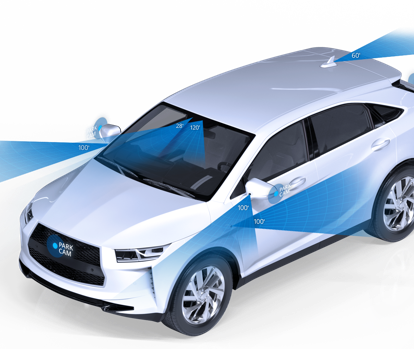
The clearest example of this is Mobileye Supervision™
With the technology from our camera-only subsystem and surround-view, Mobileye SuperVision is the first ADAS solution that can benefit directly from Mobileye's on-going AV R&D.
Learn moreCreating a World Model
Mobileye's differentiated approach to environmental modeling is the essence of True Redundancy - we not only offer truly redundant sensors, but also multiple, truly redundant world models.
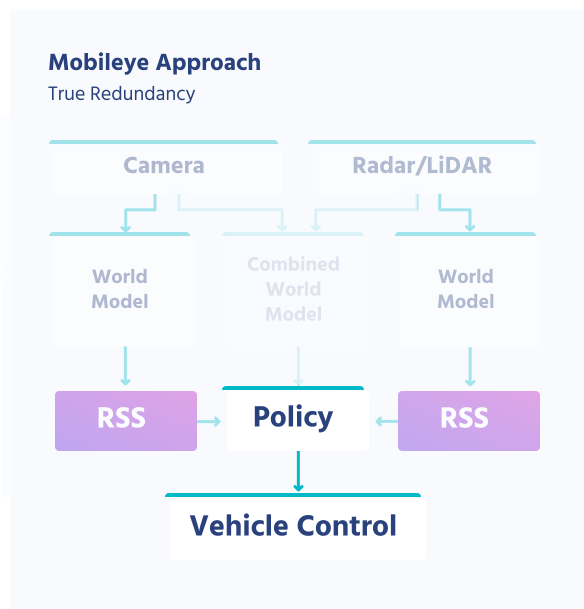
A Realistic Path to Getting AVs on the Road
For AVs to be safe enough to be introduced to today’s roads, they need to be several orders of magnitude safer than human drivers. That requires hundreds of millions of hours of data for validation of these self-driving systems. But is that really feasible? Mobileye is proposing True Redundancy as an alternative approach.
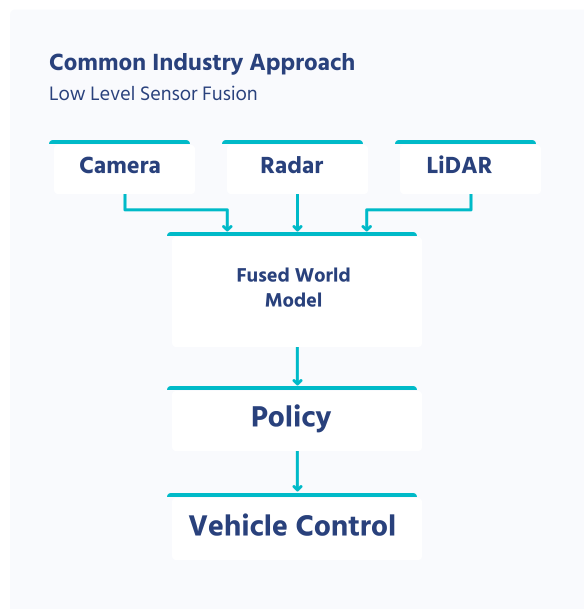
Common Industry Approach
With sensor fusion that is done before creation of the environmental model, each software update to the AV would require hundreds of millions of hours of data for validation.
Common Industry Approach
Low Level Sensor Fusion
Data needed for validationMobileye Approach
The True Redundancy approach allows for a significantly lighter validation burden – only tens of thousands of hours of validation sets are needed to show the channel meets the needed accuracy.
Mobileye Approach
Camera subsystem×Radar/Lidar subsystem
Data needed for validationLegend
- Tens of thousands of hours
- Millions of hours
- Hundreds of millions of hours
“True redundancy provides two major advantages: The amount of data required to validate the perception system is massively lower … in the case of a failure of one of the independent systems, the vehicle can continue operating safely in contrast to a vehicle with a low level fused system that needs to cease driving immediately.”


