
blog
|
October 21, 2024
Mobileye’s camera vision: Beyond what you see
A look into our ADAS solutions and how cameras help us reach safer roads


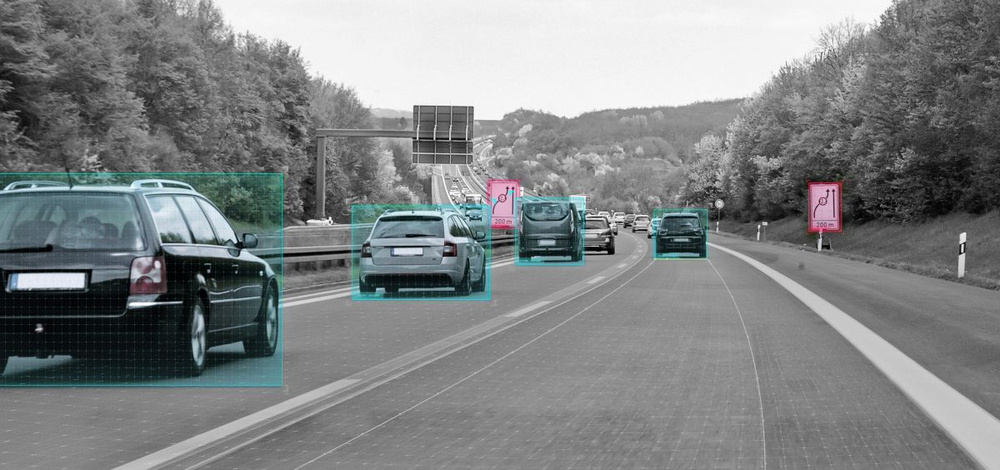
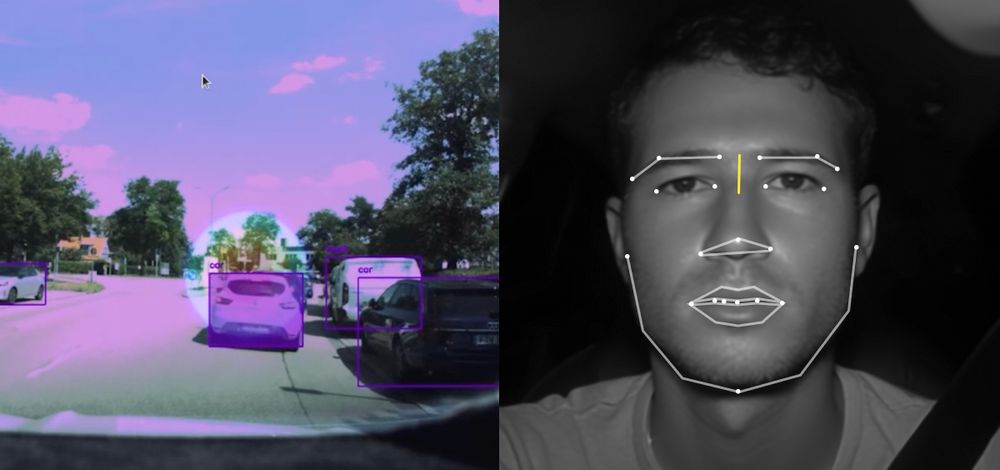
Mobileye’s different product platforms can consist of anything between one to 13 cameras.
It has been said that the eyes are the window to the soul, and if that is true, then the camera is the gateway to Mobileye’s innovative technology. The basis for everything we do at Mobileye, from our Advanced Driver Assistance System (ADAS) to autonomous vehicles, is rooted in our approach to leverage cost-effective and scalable cameras, sensors and computer vision technology. In this blog we explore how Mobileye leverages that technology for safer roads.
Vision and an autonomous future
The way cameras are configured around the car, their range for identifying objects, and their integration into Mobileye's platforms are crucial for ushering in a safe and autonomous future. Keeping in mind visual constraints such as lighting or distance, Mobileye's cameras are designed to handle things like lens distortion in order to assist drivers to react effectively to objects on the road.
Mobileye’s different product platforms can consist of anything between one to 13 cameras. This range includes various formations, but all share a common goal –to identify and adjust the drive according to changing conditions on the road.
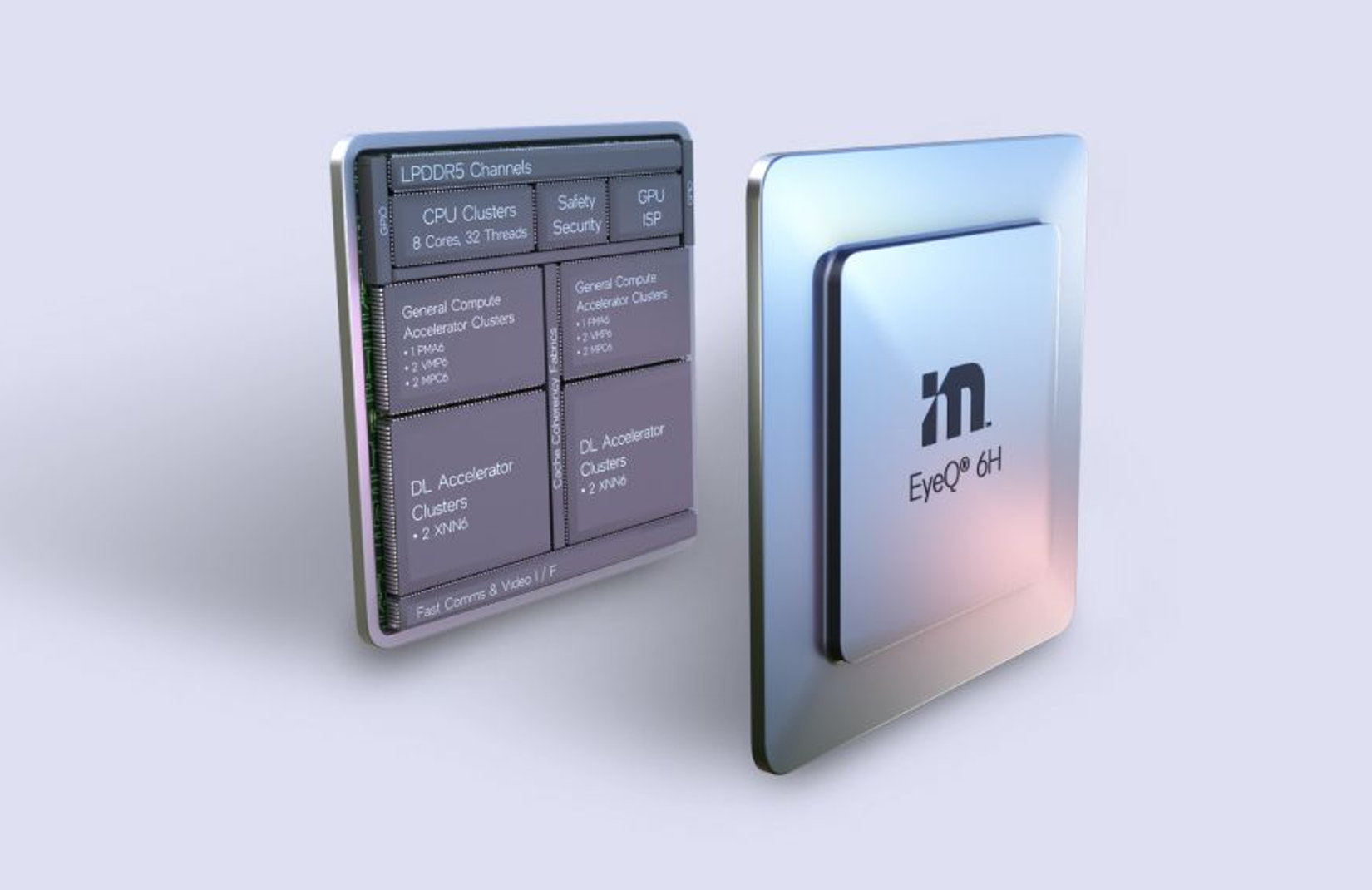
Powered by our sophisticated algorithms, high-performance hardware, and the powerful brain of the system- the EyeQ™ SoC, our solutions are designed to compute more data as efficiently as possible. In other words, Mobileye’s ADAS platforms are designed to extract and label elements from the constant stream of input coming from the cameras, analyze the vehicle's surroundings and suggest the correct action, based on deep learning techniques to understand the driving environment around the vehicle.
Safety built in
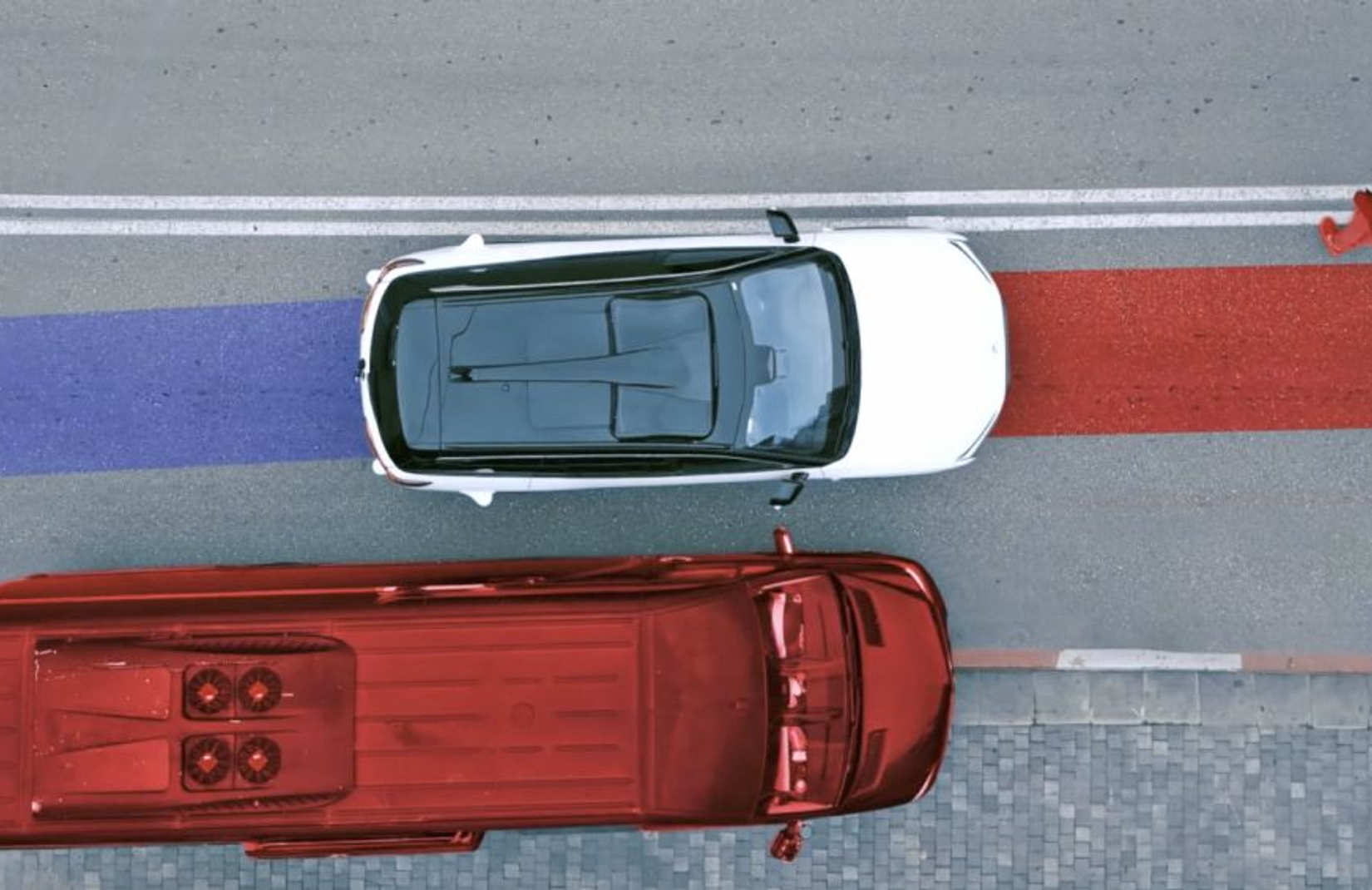
With ADAS safety standardization becoming an increasingly integral part of vehicle production, the future of our roads is moving toward safer driving experiences. These advancements have not gone unnoticed. Numerous reports highlight the significant impact driver-assistance technologies have on reducing road incidents. For instance, a 2023 report by the AAA Foundation for Traffic Safety suggests that these technologies could potentially prevent up to 37 million crashes in the United States over the next 30 years—if they become standard in all vehicles.1 This underscores the powerful potential of scaled-up ADAS systems and the future of road safety.
A look at the features
Mobileye’s ADAS features utilize a 120 degrees 8MP front camera, ensuring robust detection and response to a wide range of objects. With it, drivers may benefit from a set of tools that enhance their drive, from Advanced Warning System (AWS), Automatic Cruise Control (ACC), Automatic Emergency Braking (AEB) and Lane Keep Assist, to Lane Departure Warning, cloud-supported lane centering (where applicable), red traffic light warning and more. The multi-camera configuration allows for a highway hands-off/eyes-on driving experience, features the EyeQ™6H chip connected to six cameras including two long range (front and rear) and four short range, in a manner that anticipates future safety regulations.
Additionally, Mobileye’s Intelligent Speed Assist (ISA) solution for automakers became recognized as the first ‘vision-only’ solution to meet the new European Union (EU) General Safety Regulation (GSR) standards.
Safety at scale
To sum up, it’s evident that vehicles equipped with ADAS features and advanced camera technology have significant potential to enhance road safety, particularly through Mobileye’s efforts in providing cost-effective and scalable solutions to drivers worldwide. By leveraging cutting-edge camera vision and AI-driven systems, Mobileye is leading the way toward a future where road incidents are drastically reduced, and autonomous driving becomes a reality.
Share article
Related News

Press Contacts
Contact our PR team


