
blog
|
March 18, 2026
From neighborhoods to networks: MaaS in Oslo's Grorud Valley
A look at how autonomous MaaS could help strengthen existing public transport networks and support first and last mile connectivity.



Mobileye enabled the technology by delivering the autonomous driving functionality.
Residents of Oslo’s Grorud Valley, a quieter residential district within Oslo’s metropolitan area, have experienced firsthand what autonomous Mobility-as-a-Service (MaaS) looks like in practice through participation in a limited pilot program.
Through a small-scale pilot, Mobileye, in collaboration with key regional partners, explored how autonomous vehicle (AV) solutions can help expand mobility access for suburban residents to major transit hubs, supporting Europe’s broader AV mobility vision, and operate under harsh winter conditions.
Building upon existing public transit infrastructure
Like many European cities, Oslo has a vast and robust public transit network. Sustainable and innovative mobility is strong across the region, but step outside the city center and the story begins to shift. In smaller villages and outer suburbs, buses run less frequently, and connections become limited. It's an issue that has in some areas made freedom of mobility more challenging. Active modes of transportation like walking or biking aren't always safe or practical, and shared mobility solutions are often lacking, which can increase the cost and complexity of commuting to nearby transit hubs.
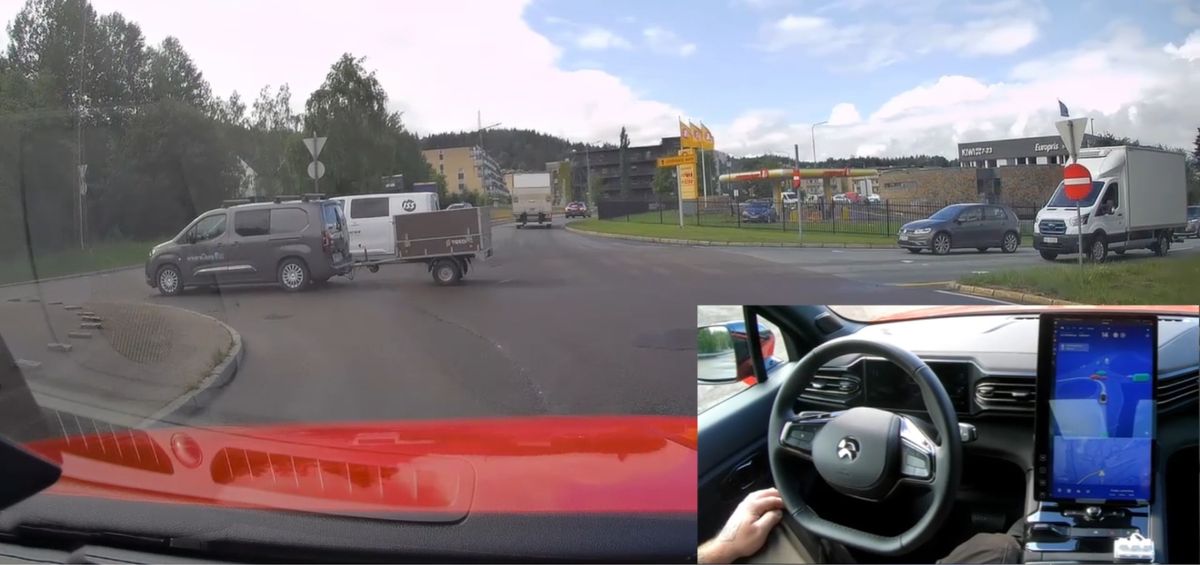
To tackle this obstacle, Mobileye collaborated with key bodies to bring a pilot‑scale AV ecosystem and integrate it into the city’s existing transport network, marking an exploratory step toward Europe’s broader automated mobility vision.
Through the implementation of this AV pilot, the project aimed to connect residents more seamlessly to public transit, with the goal of enabling travel to work, schools, and shopping centers through an efficient, autonomous, and sustainable ride‑pooling service.
What does a Mobileye, Holo and Ruter ride‑sharing platform look like?
The ride-pooling platform pilot, launched in January 2023 in collaboration with Oslo's public transit authority Ruter and fleet management provider Holo, operated between designated pick-up and drop-off (PUDO) points.
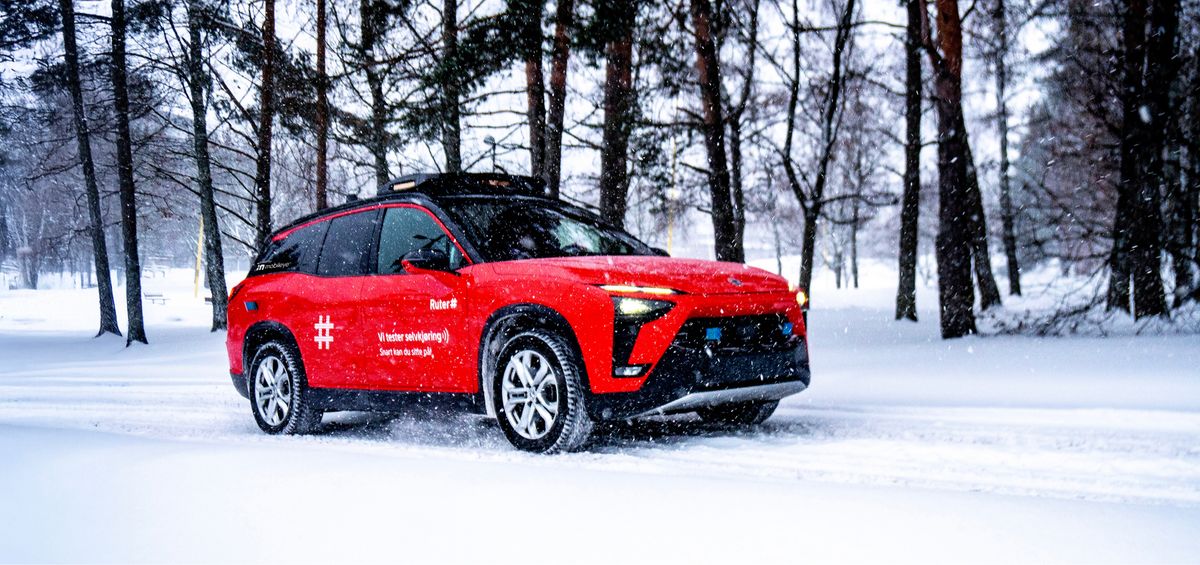
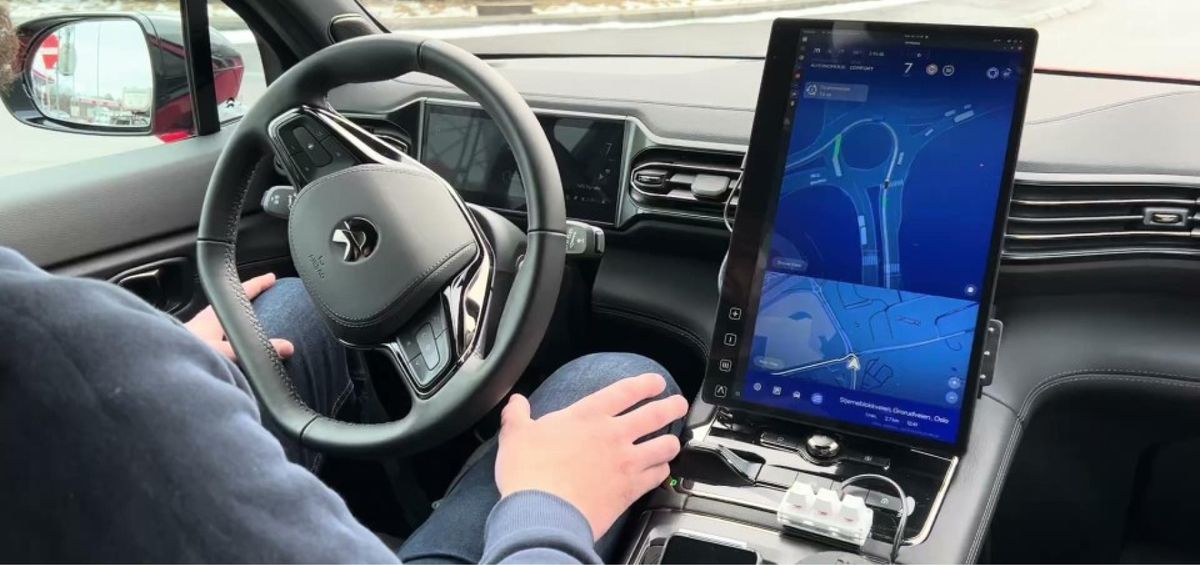
Residents used an app-based platform to request shared rides to key mobility hubs, including train stations, schools, supermarkets, and community centers. Each vehicle operated autonomously within a defined operational design domain under the supervision of a safety driver. The pilot deployed six NIO first‑generation development vehicles powered by Mobileye Drive™.
Autonomous driving in Nordic winter conditions
One significant differentiator, particularly in the Nordic region, is the presence of extremely harsh winters, characterized by long periods of snow, ice, and low visibility, not always conducive to safe driving. However, during the pilot period, Mobileye Drive™, with its sensing and AI capabilities, supported continued operations, and rides continued throughout the winter months, with no PUDOs deactivated due to weather conditions during the pilot.
Demonstrating the potential of scalable AV MaaS
While Holo and Ruter focused on service design and PUDO distribution to ensure dense neighborhood coverage, Mobileye enabled the technology by delivering the autonomous driving functionality required to support pickup and drop‑off operations in real‑world conditions.
The service was used by participating residents to connect to existing transit, and usage was notably observed among students traveling between education centers, train stations, supermarkets, and shopping hubs.
This initial pilot hence demonstrated two key findings: Introducing AV MaaS into an existing public transport network may help improve service quality for passengers and has the potential, as technology continues to develop to scale to other areas and cities where improvements in public transport are being explored.
How does this fit into the broader European vision?
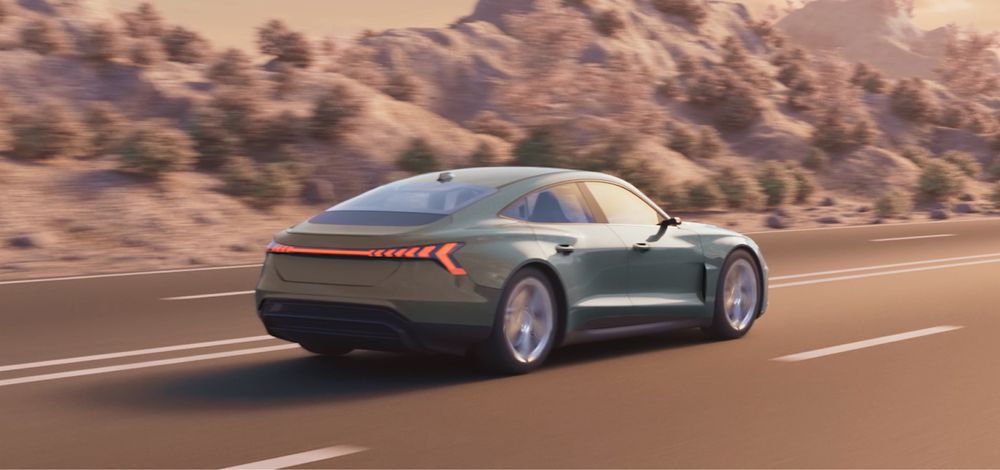
The pilot project has informed discussions around further AV deployments in the area. Recently, Ruter and Holo announced a collaboration with MOIA to bring the ID. Buzz AD to Oslo—an autonomous vehicle powered by Mobileye Drive™.
The Mobileye‑powered vehicle is expected to be equipped with four EyeQ processors, REM™, and a comprehensive sensing suite to support autonomous operation and continuous road data generation.
Beyond Oslo's Grorud Valley early‑stage pilot and any upcoming phases, Mobileye’s broader vision is to support autonomous services that aim to benefit communities and contribute to the transformation of mobility in areas where enhanced transportation access is needed.
Share article
Related News
Press Contacts
Contact our PR team


